
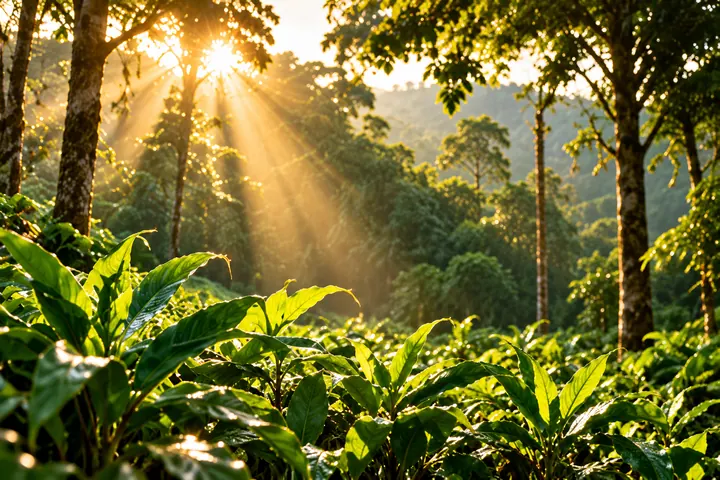
Filtered light
Tall shade trees break up the sun so the leaves never scorch and the pods ripen slowly.

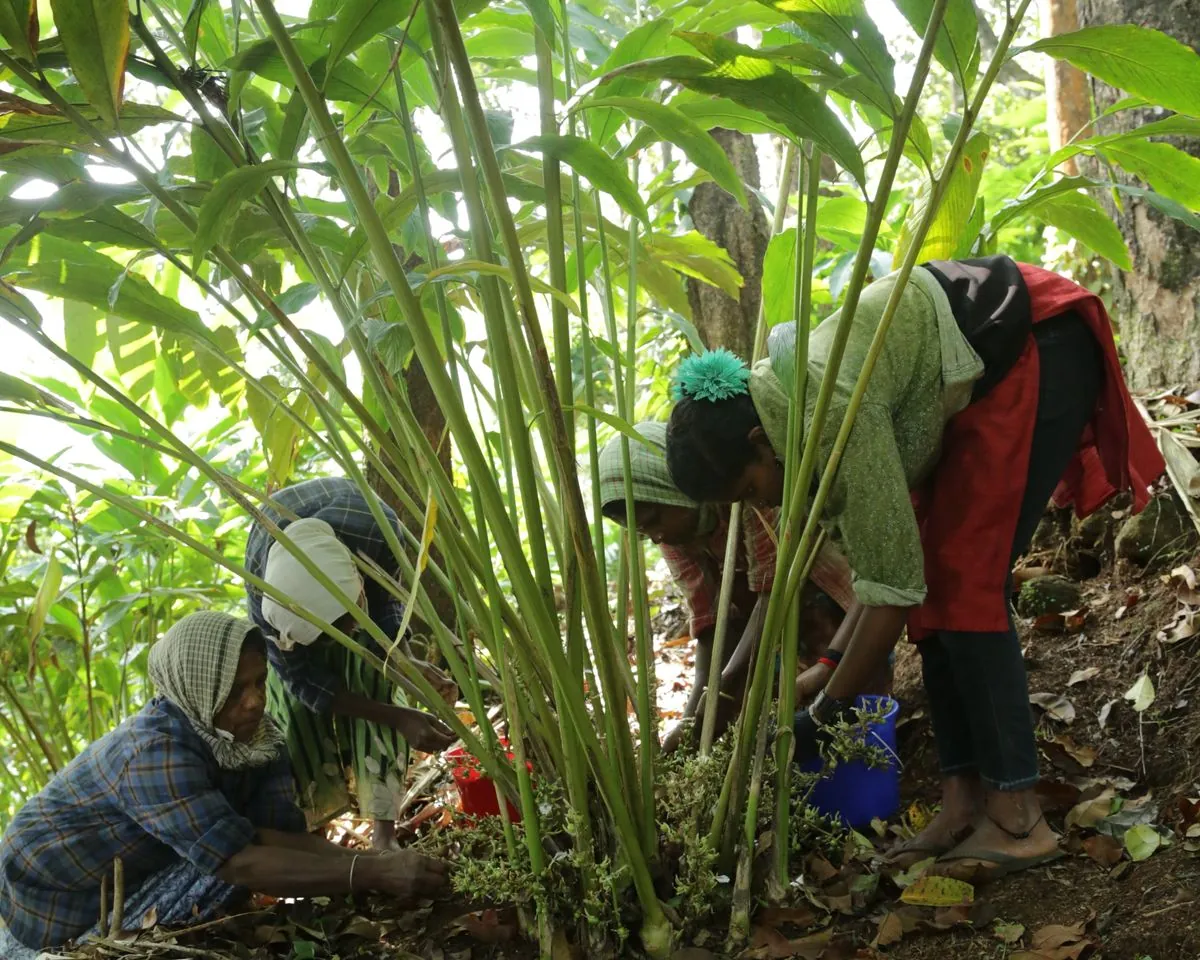
Idukki is India's largest cardamom-growing district, and Puttady sits right in the middle of it. The hills here catch the monsoon from both sides, so the air stays moist for most of the year and the soil never dries out completely.
Cardamom flowers low on the plant, almost at ground level, on long shoots that creep out from the base. The pods that follow need steady moisture and filtered light to swell evenly — too much sun and they stay small, too little rain and they split. The forest canopy above our plants keeps both in balance.
Cardamom is fussy. These are the four things we watch most closely across the plantation.
Tall shade trees break up the sun so the leaves never scorch and the pods ripen slowly.
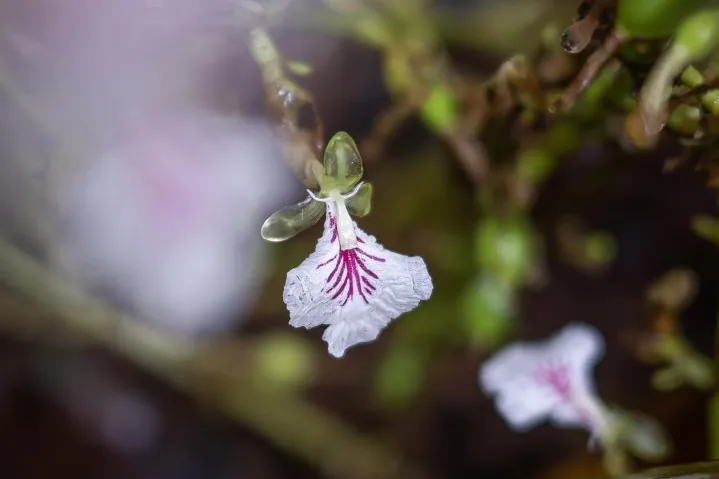
Moist forest air around the clumps keeps flowering regular and the pods plump.
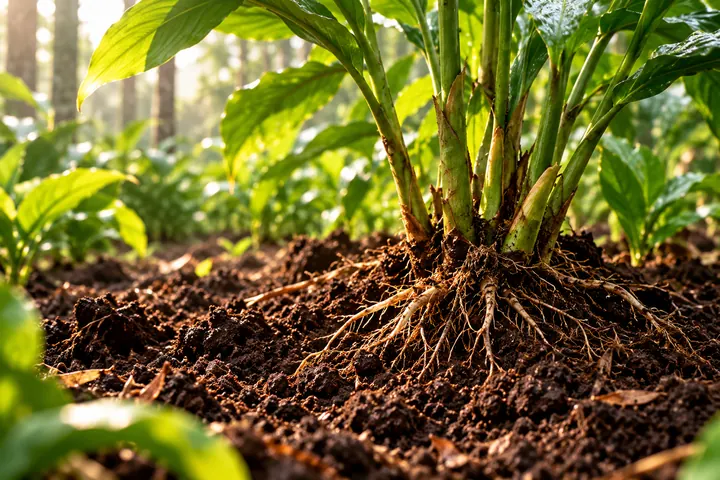
Leaf litter and organic manure keep the soil dark, crumbly and full of life.
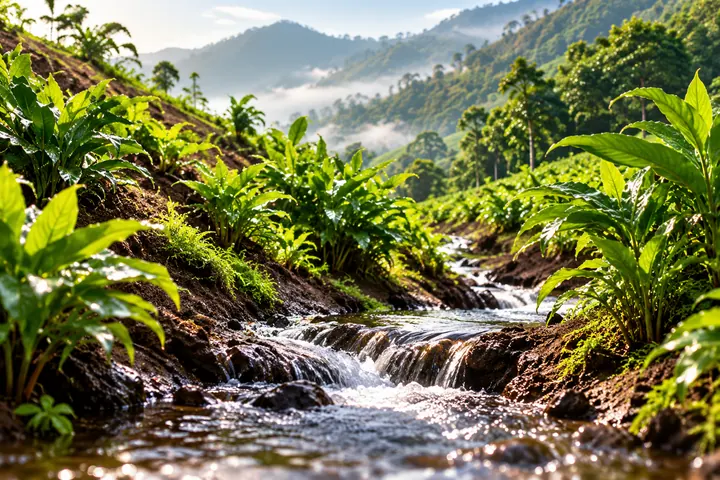
The roots want water, but never standing water — sloping fields let the excess run off.
Cardamom is not harvested in one go. Pods ripen a few at a time, so the same plants are picked again and again through the season.
Clearing undergrowth, trimming old shoots and feeding the soil with organic manure.
Rain brings the plants into flower; new shoots spread out from the base.
Harvest usually starts in June to July, depending on the summer weather. As the first pods ripen, they are harvested.
Pickers walk the fields every few weeks, taking only the ripe capsules.
The last rounds finish; the plants and soil recover before the cycle begins again.
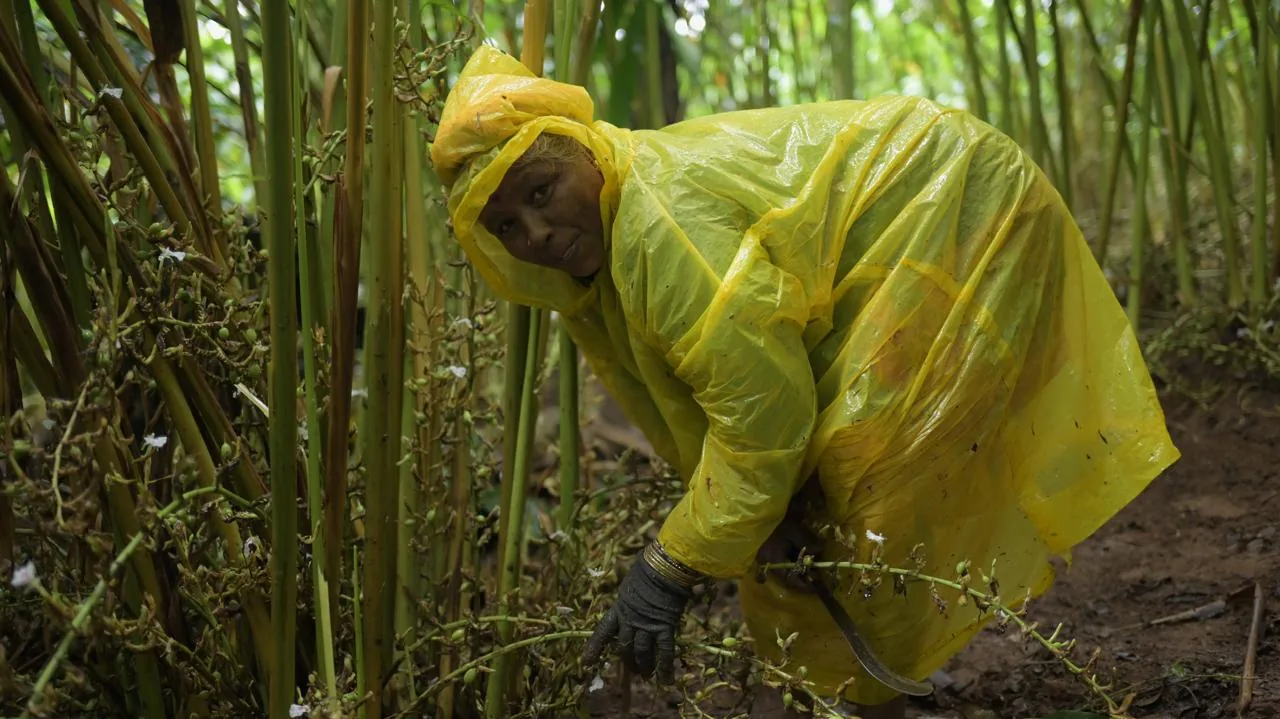
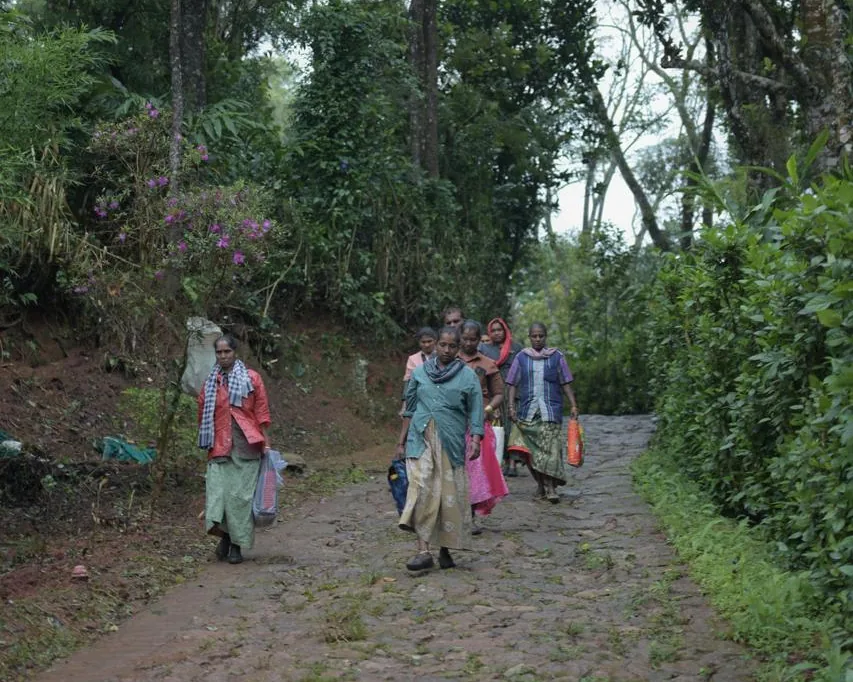
A cardamom plantation is only as healthy as the forest around it. We farm in a way that keeps that forest standing.
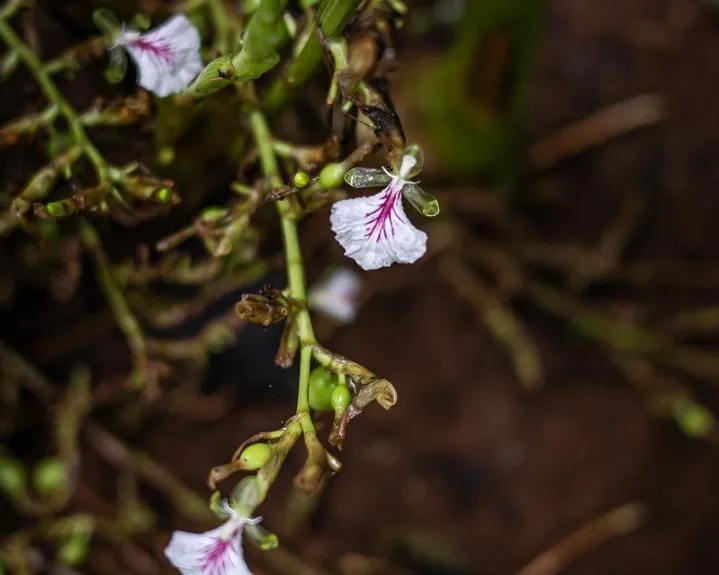
Cardamom belongs to the ginger family. What looks like a tall leafy stem is really a clump of shoots growing from an underground root.
The underground stem that stores food and sends up new shoots each year.
Tall stems of long, narrow leaves that can grow taller than a person.
Flowering shoots that creep along the ground from the base of the clump.
The pods that form after flowering — the part we pick, dry and sell.
Njallani is a green cardamom variety selected by a farmer in Idukki and now grown across the district. It has become popular with growers for good reasons.
It tends to produce large capsules, which means a higher share of the bigger, more valuable grades.
Well-dried Njallani pods hold a rich green that buyers look for.
Selected in these very hills, it is at home in the local soil, shade and rainfall.
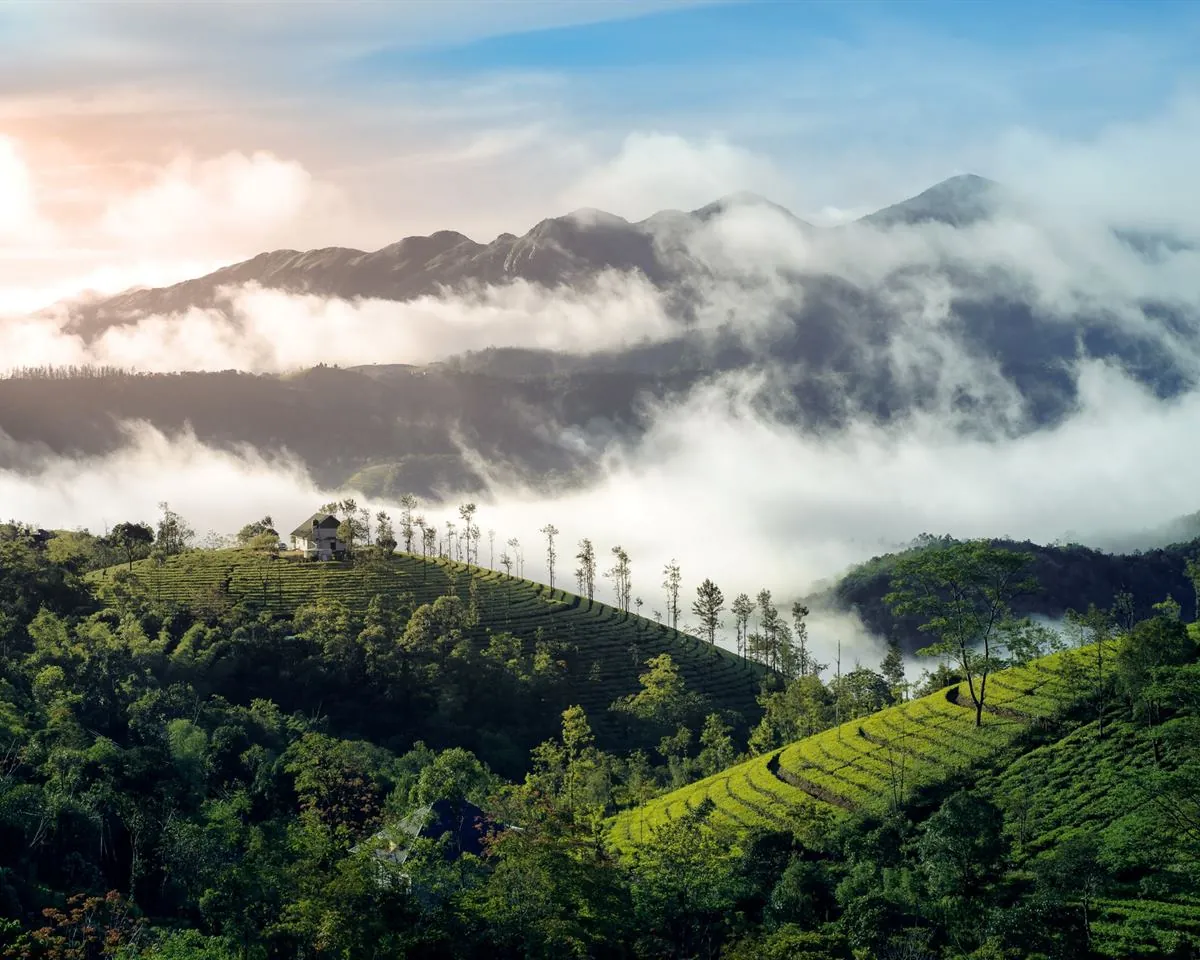
The Western Ghats run down India's west coast and are home to an extraordinary range of plants and animals. Cardamom grows wild in these forests — it is a native plant here, not an import.
Healthy plants give better pods. Most of our effort goes into prevention rather than cure.
Curious about how cardamom is grown? Start here.

A newly planted cardamom clump usually starts bearing in its second or third year and then keeps producing for many years with good care.
Pods on the same plant ripen at different times. Picking only the ripe ones, round after round, gives better colour and size than stripping the plant at once.
It is a forest plant. Direct sun dries the leaves and the soil; filtered light under trees keeps the plant cool and moist.
ST Ragava Plantation, Puttady, Keralam 685551.
Buyers are welcome to see the plantation and processing unit. Call ahead and we will arrange it.