
Featured · Buying Guide
How to tell good cardamom from bad in thirty seconds
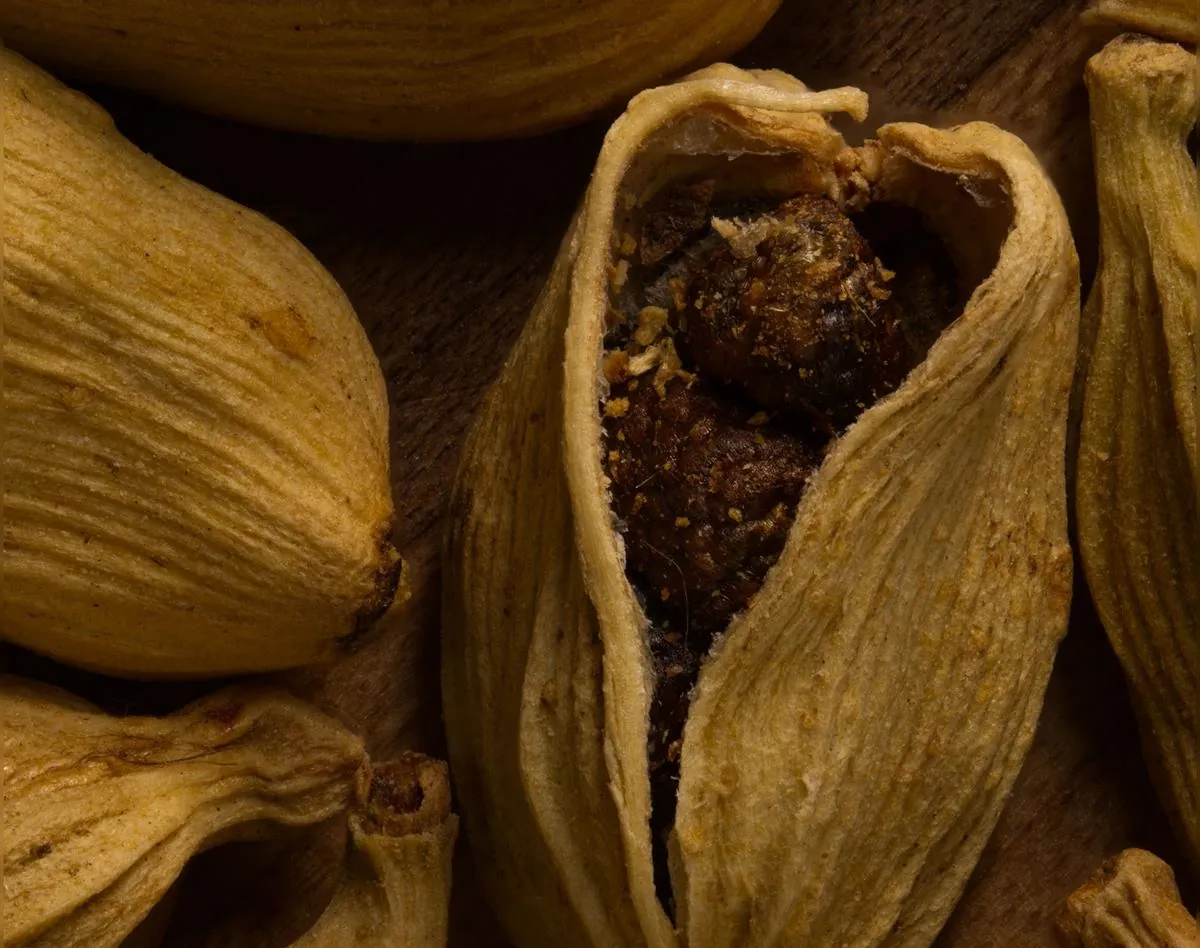
You do not need a lab. Four quick checks — colour, feel, smell and a look inside one pod — will tell you almost everything about a sample.
Read the Guide
You do not need a lab. Four quick checks — colour, feel, smell and a look inside one pod — will tell you almost everything about a sample.
Read the Guide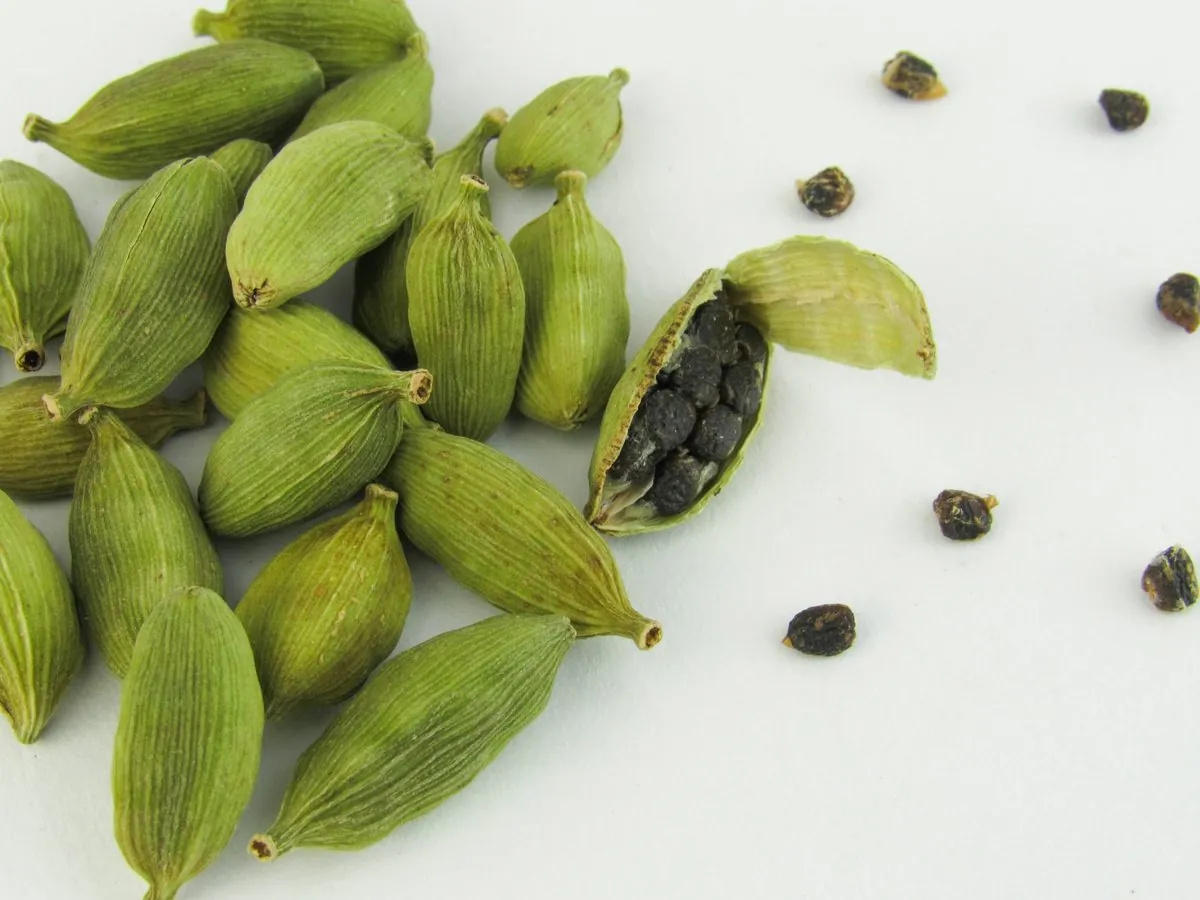
Four checks anyone can do with a sample in their hand.
Read article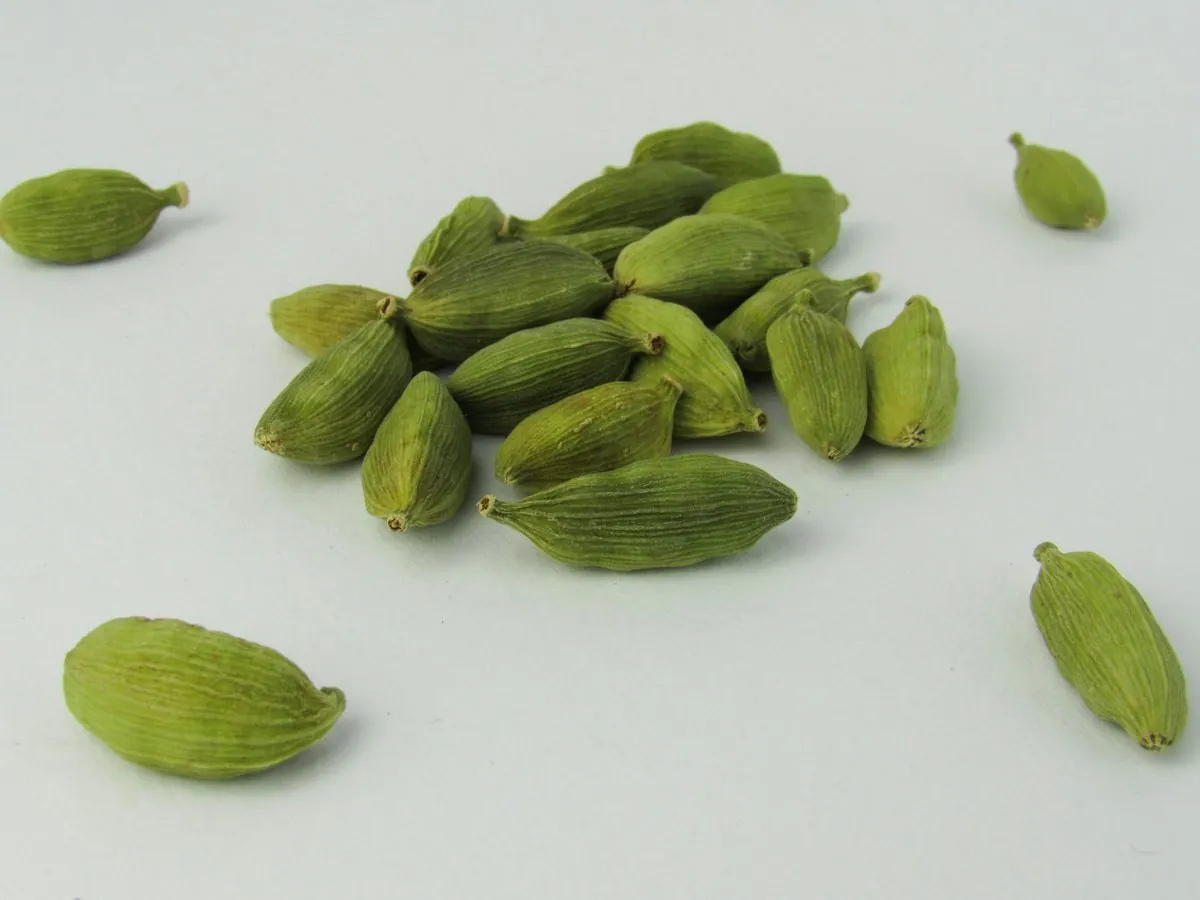
What 7 mm or 8 mm really means, and which size to buy for what.
Read article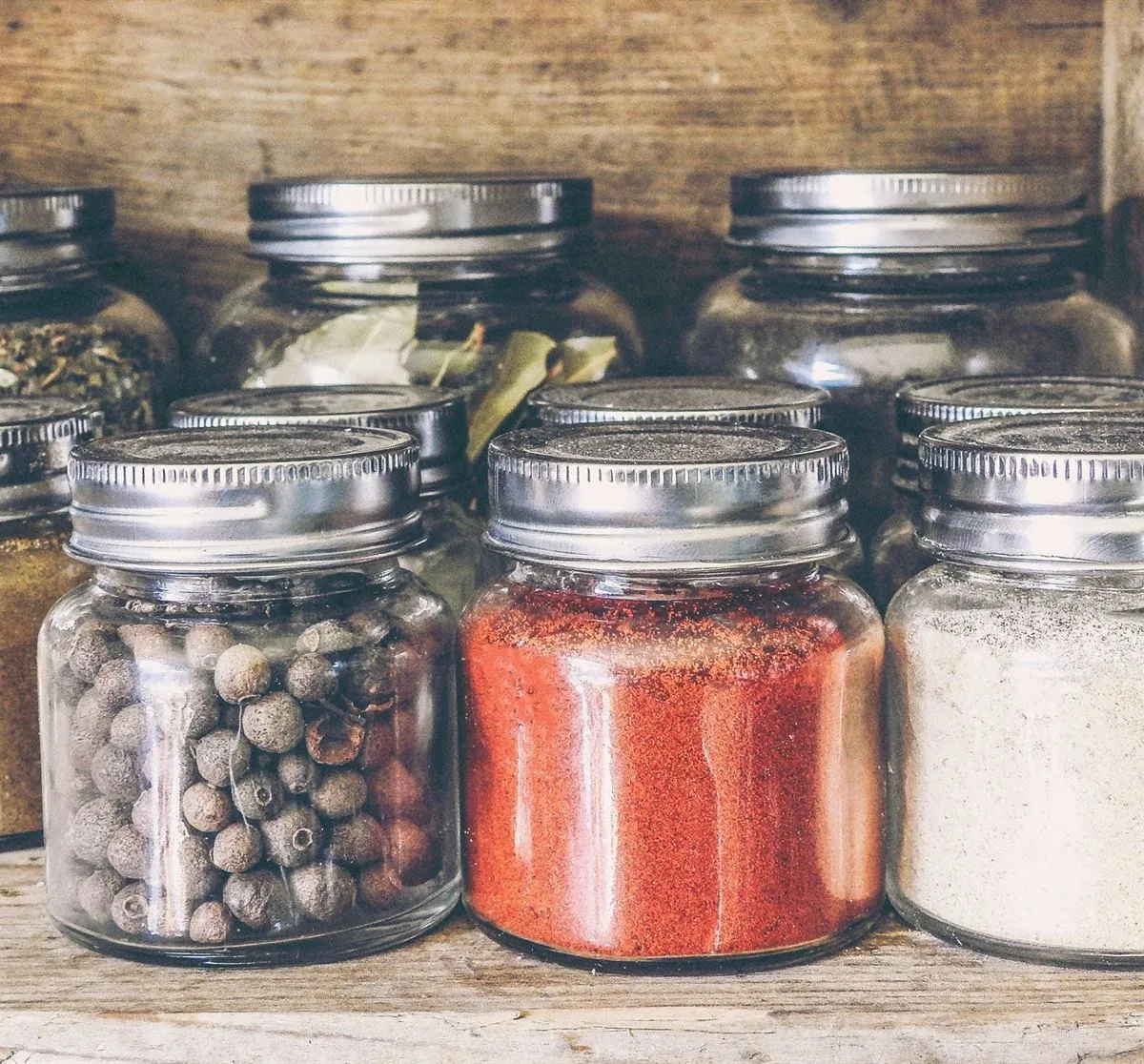
Simple habits that stop your pods losing colour and aroma.
Read article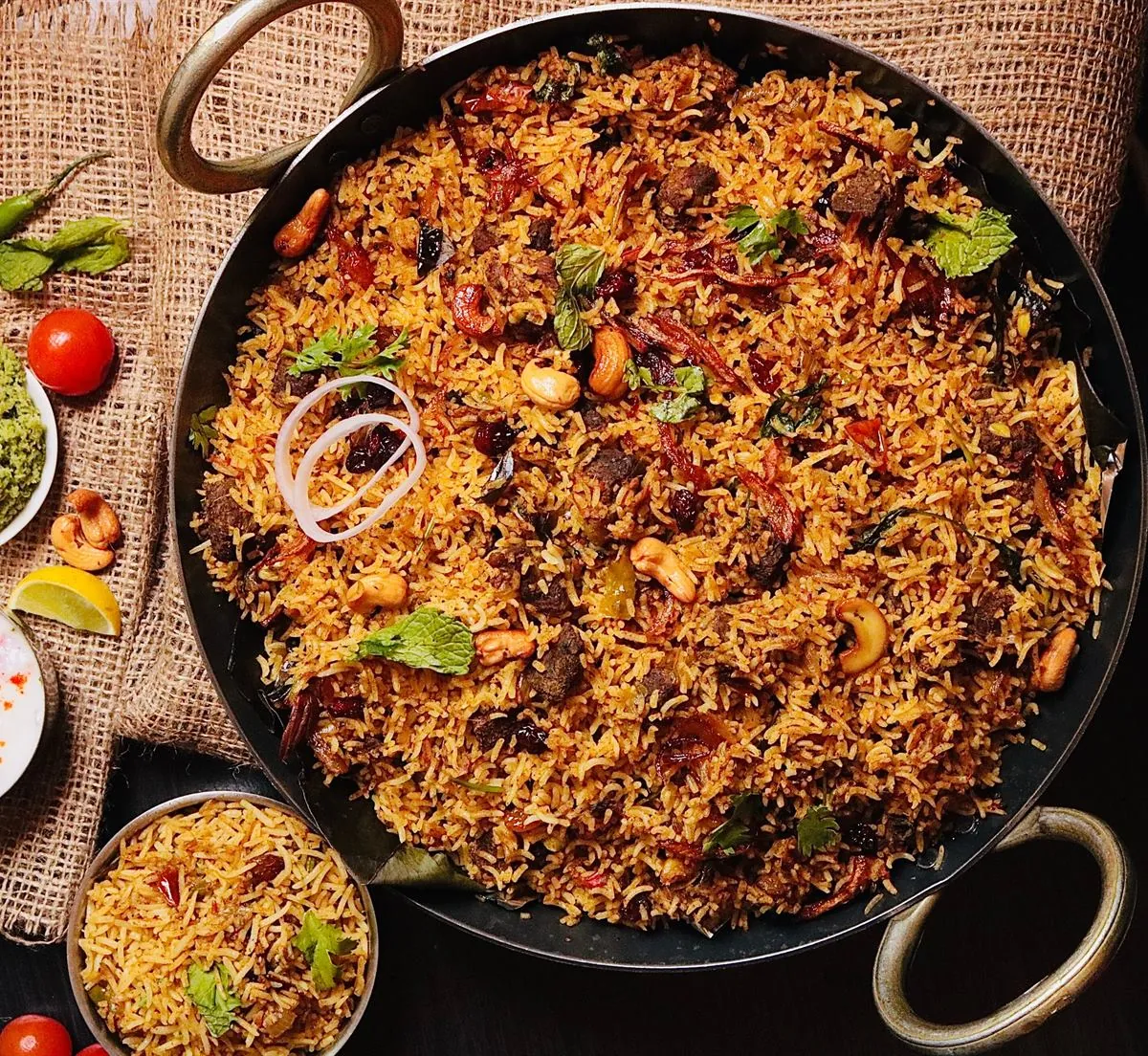
From morning chai to biryani, getting the most from every pod.
Read article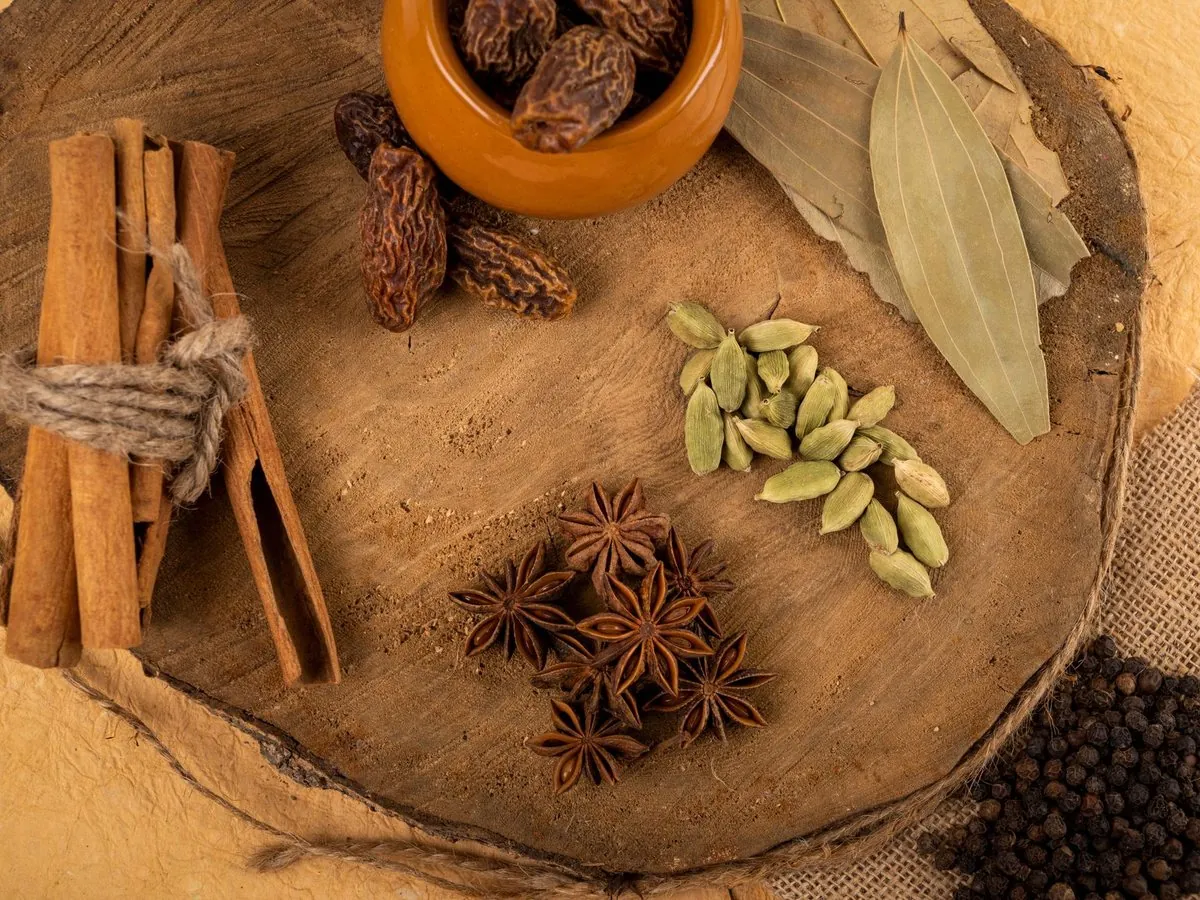
Two different spices that share a name — and when to use each.
Read article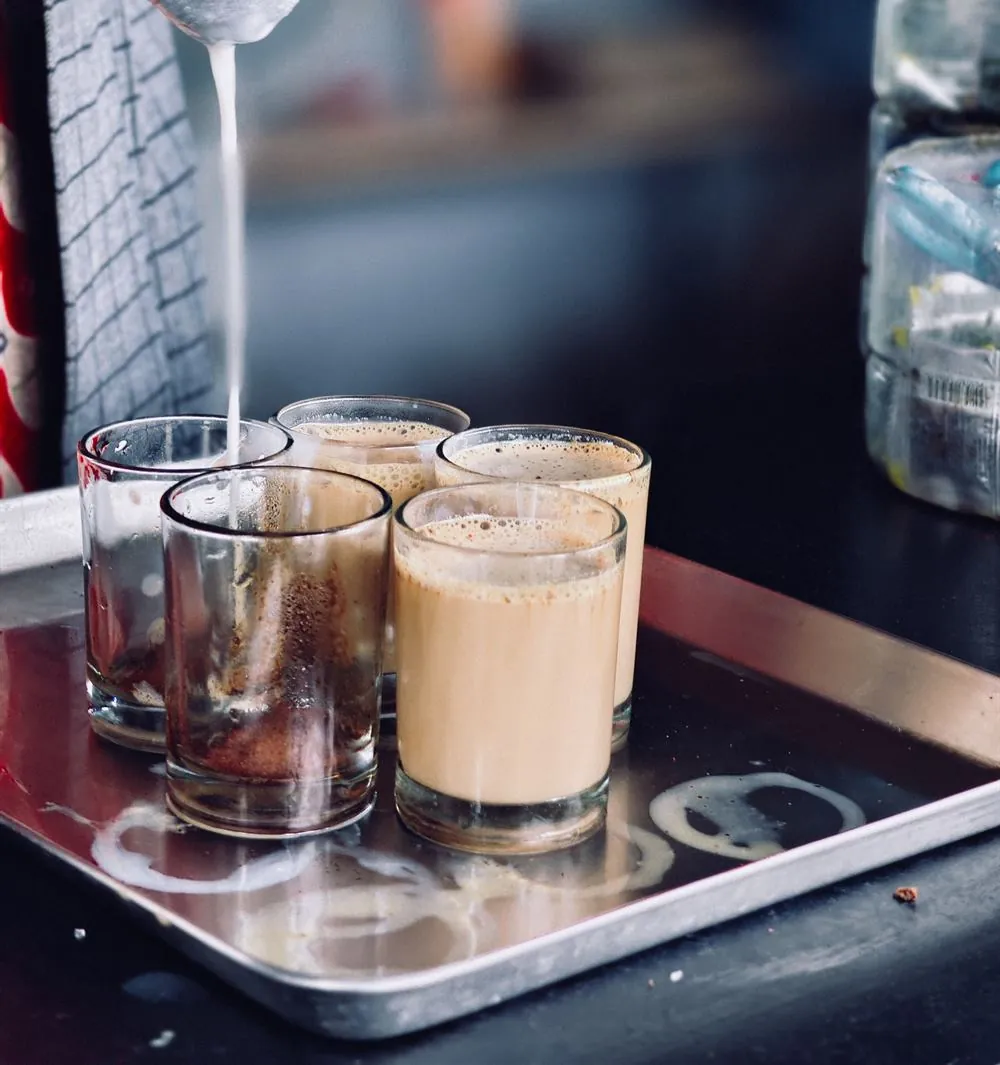
The simplest way to taste the difference good cardamom makes.
Read recipeWhether you are buying a 100-gram pack or a tonne, the same four checks will tell you most of what you need to know. Do them in this order.
Good green cardamom is a clear, even green. Pale, yellowish or patchy pods were usually dried at too high a temperature or have been sitting in a warehouse for too long. A few pale pods in a sample are normal; a lot of them is a warning.
It should feel firm and spring back slightly. If it crushes easily or feels papery, it may be hollow or over-dried. If it feels soft or bendy, it still holds moisture — and you are paying for water by the kilo.
Crack one pod open with your thumbnail and smell it straight away. Fresh cardamom smells strong, sweet and slightly cooling, almost like eucalyptus. A weak or dusty smell means the aroma has faded.
The seeds inside should be dark brown to black, slightly sticky and packed tightly together. Light brown, loose or few seeds mean an immature or old pod.
If a sample passes all four, it is worth buying. If it fails two or more, keep looking.
Back to all articlesGreen cardamom is graded mainly by the diameter of the pod, measured in millimetres. After drying, pods are passed through sieves with round holes; the size of the hole a pod will not pass through gives it its grade.
Large 8 mm and 8.5 mm pods look impressive and command the highest prices. They are the right choice when appearance matters: gift boxes, premium retail packs, whole-spice dishes where the pod is seen on the plate.
If the cardamom will be ground into a powder, brewed into tea or blended into masala, nobody will see the pod. A 6–7 mm or 7–8 mm grade gives you the same seeds and aroma for considerably less.
Pods with small marks, splits or uneven colour are separated into rejection grades. The flavour is still there, which makes them a smart buy for grinding and for spice processors.
Compare our gradesCardamom's aroma lives in oils inside the seeds. Heat, light, air and moisture all pull those oils out. Keep them away and your pods will stay fresh for a long time.
Lightly crush two pods per cup and simmer them with the tea leaves and water before you add milk. Crushing opens the husk so the seeds can release their flavour.
Add whole pods to hot ghee or oil at the start, with the other whole spices. The fat carries the aroma through every grain of rice.
For kheer, halwa and ladoo, use the ground seeds only — discard the husks — and add them near the end so the aroma stays bright.
A pinch of ground cardamom with your coffee grounds is a Gulf tradition. It softens bitterness and adds a gentle sweetness.
Swap some of the cinnamon in a cake, bun or cookie recipe for freshly ground cardamom. A little goes a long way.
Back to all articlesThey share a name, but green and black cardamom come from different plants and taste completely different. Using one in place of the other can change a dish entirely.
Small, smooth green pods from the plant grown in the Western Ghats — the kind we grow. The flavour is sweet, floral and cooling. It is the cardamom of chai, sweets, biryani and Scandinavian baking.
Large, rough, dark brown pods from a related plant grown mainly in the eastern Himalayas. They are usually dried over fire, which gives them a smoky, earthy, camphor-like flavour. They suit slow-cooked meat dishes and dals, but not desserts.
If a recipe just says "cardamom", it almost always means green. Keep black cardamom for recipes that ask for it by name.
Back to all articlesThe simplest way to taste the difference good cardamom makes. The trick is to crush the pods and let them simmer before the milk goes in.
In India, cardamom is called the Queen of Spices — and black pepper, which grows in the same hills, is the King.
By weight, cardamom is among the most expensive spices in the world, behind saffron and vanilla.
The cardamom plant is a close cousin of ginger and turmeric, and grows from a root in the same way.
In the Gulf, coffee is often brewed with ground cardamom — a big reason the region buys so much of it.
Sweden and Finland bake cardamom buns and breads, making them surprising cardamom lovers.
Pods ripen at different times, so they are still picked by hand, one round after another.
Order direct from the plantation, in the grade and pack size that suits you.